
This company has no active jobs
0 Review
Rate This Company ( No reviews yet )

private charter flights cost
(0)About Us
Understanding Empty Jets: An Analysis of Their Impact and Implications

Empty jets, often referred to as “empty leg” flights, represent a unique phenomenon within the aviation industry. These flights occur when an aircraft is scheduled to fly without any passengers on board, typically as a result of a one-way booking or a repositioning flight. This report delves into the intricacies of empty jets, exploring their causes, economic implications, operational challenges, and potential benefits to both airlines and consumers.
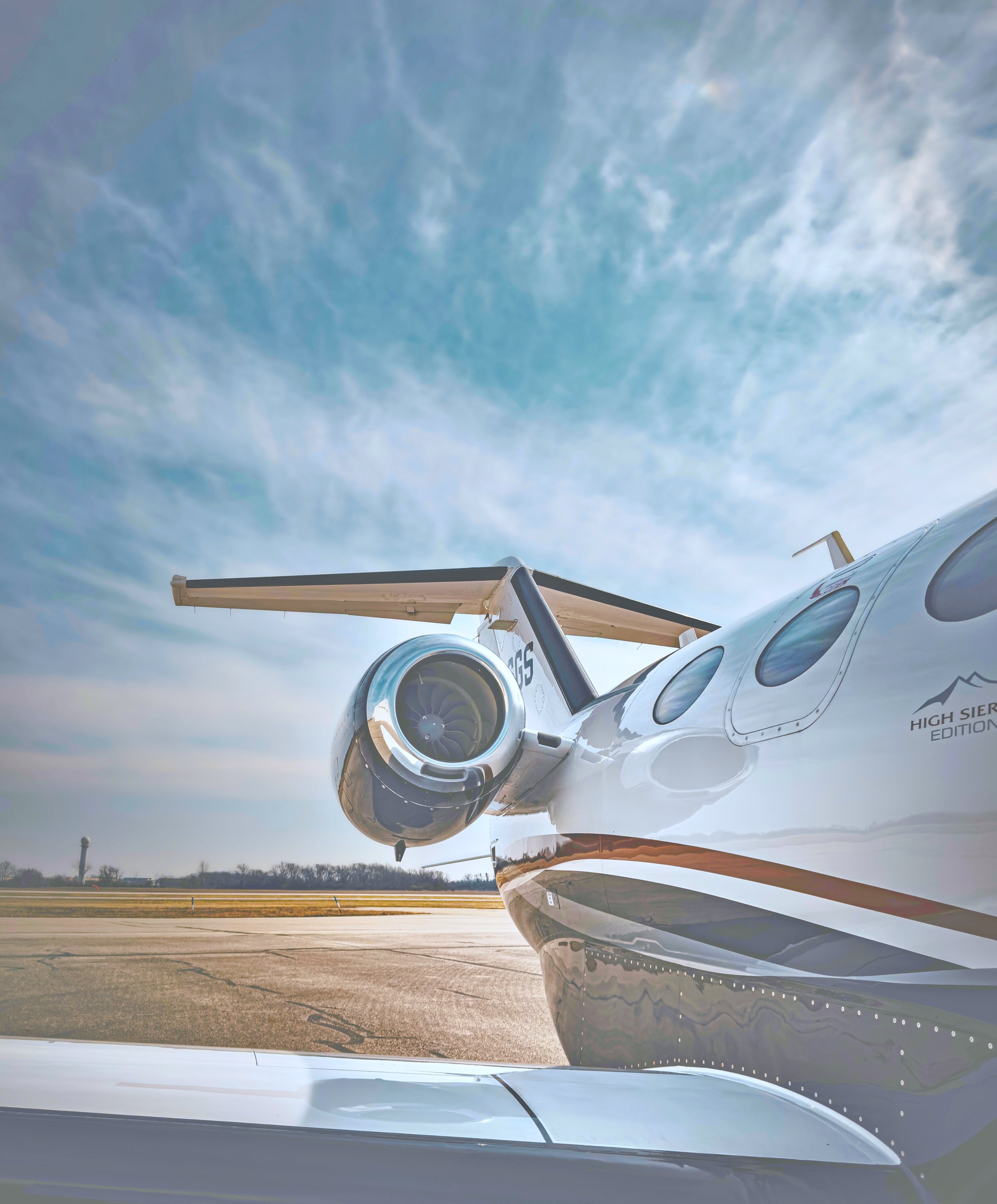
Causes of Empty Jets
The occurrence of empty jets is primarily linked to the nature of air travel and the logistics involved in commercial aviation. Key factors contributing to the prevalence of empty jets include:
- One-Way Bookings: Many travelers prefer booking one-way tickets, especially for business trips or vacations that do not require a return flight. When a flight is booked one-way, the aircraft may need to return to its base or reposition to another airport without passengers.
- Charter Services: Charter flights often operate under specific contracts that may not involve round-trip journeys. After dropping off passengers at their destination, the aircraft may need to return to its home base or move to another airport for its next assignment.
- Maintenance and Scheduling: Airlines must also consider maintenance schedules and aircraft rotations. If an aircraft requires maintenance after a flight, it may need to fly empty to a maintenance facility, resulting in an empty jet.
- Seasonal Demand Fluctuations: During off-peak seasons, airlines may find themselves with reduced passenger loads, leading to flights operating with fewer passengers or even empty.
Economic Implications
The economic implications of empty jets are significant for airlines and the aviation industry as a whole. While empty flights represent a loss of potential revenue, they also offer unique opportunities:
- Cost Management: Airlines often have fixed costs associated with operating a flight, including fuel, crew salaries, and airport fees. By operating empty jets, airlines can reduce the overall costs of repositioning aircraft, which can be more economical than canceling a flight or incurring additional fees.
- Revenue Generation through Empty Legs: Some airlines and private jet operators capitalize on empty jets by offering discounted fares on “empty leg” flights. This allows consumers to book travel at a reduced rate, while airlines can recoup some of the costs associated with operating the flight. These flights can be a win-win for both parties, providing a cost-effective travel option for passengers and additional revenue for airlines.
- Market Dynamics: The presence of empty jets can influence market dynamics, as airlines may adjust pricing strategies based on the availability of empty leg flights. If you cherished this posting and you would like to get additional data relating to privatejetscharter.review kindly go to the webpage. This can lead to increased competition and better pricing for consumers.
Operational Challenges
Despite the potential benefits, empty jets also present operational challenges for airlines. Some of the key challenges include:
- Fuel Efficiency: Operating an empty jet can be less fuel-efficient than a fully booked flight. Airlines must balance the costs associated with fuel and operational expenses against the potential revenue generated from discounted empty leg fares.
- Scheduling and Logistics: Managing the scheduling of empty jets can be complex. Airlines must coordinate flight routes, crew assignments, and maintenance schedules to ensure that aircraft are where they need to be at the right time. This requires careful planning and real-time adjustments to accommodate changes in passenger demand.
- Environmental Impact: The environmental implications of operating empty jets cannot be overlooked. Empty flights contribute to carbon emissions without providing the benefit of passenger transport. Airlines are increasingly under pressure to reduce their carbon footprints, and operating empty jets can be counterproductive to sustainability goals.
Benefits to Consumers
For consumers, empty jets can offer several advantages:
- Cost Savings: As mentioned earlier, airlines often provide discounted fares for empty leg flights. This can result in significant savings for travelers who are flexible with their travel plans and willing to take advantage of these opportunities.
- Unique Travel Experiences: Empty leg flights can provide travelers with access to private jet experiences at a fraction of the cost. This allows individuals to enjoy the luxury and convenience of private aviation without the typical price tag associated with chartering a private jet.
- Increased Accessibility: Empty jets can expand travel options for consumers, particularly for those traveling to less accessible destinations. Airlines may offer empty leg flights to remote locations, providing travelers with more choices and opportunities for exploration.
Future Trends
As the aviation industry continues to evolve, several trends may shape the future of empty jets:
- Technological Advancements: Innovations in technology, such as advanced scheduling software and data analytics, may improve airlines’ ability to manage empty jets more efficiently. This could lead to better optimization of flight routes and reduced operational costs.
- Sustainability Initiatives: Airlines are increasingly focusing on sustainability, and this may impact how they approach empty jets. Strategies to offset carbon emissions, such as investing in carbon credits or exploring sustainable aviation fuels, may become more prevalent as environmental concerns grow.
- Consumer Demand: The rise of the sharing economy and an increasing preference for unique travel experiences may drive demand for empty leg flights. As more consumers become aware of these options, airlines may expand their offerings and marketing efforts to cater to this market.
Conclusion
Empty jets represent a complex and multifaceted aspect of the aviation industry. While they pose economic and operational challenges for airlines, they also offer unique opportunities for revenue generation and consumer savings. As the industry continues to adapt to changing consumer preferences and sustainability goals, the future of empty jets will likely evolve, presenting new challenges and opportunities for all stakeholders involved. Understanding the dynamics of empty jets is crucial for airlines, consumers, and policymakers as they navigate the ever-changing landscape of air travel.
